A few years ago, when I was working with àn NGO, one of my colleagues was diagnosed with cancer — the “Emperor of All Maladies”. That was how physician-author Siddhartha Mukherjee described the disease in his Pulitzer Prize-winning book, subtitled A Biography of Cancer.
I had reviewed the book when it first appeared and was deeply impressed by the author’s extraordinary ability to narrate not just the history of a disease, but also the story of human fear, courage and helplessness in confronting it. Cancer frightens everyone alike, emperors and ordinary men, the wealthy and the poor. Yet its cruelty remains distant and abstract until it enters the life of someone close to us.
One day I went downstairs to visit my colleague at his workstation. What I saw left me devastated. His eyes seemed to protrude painfully from their sockets. The disease and the treatment had ravaged his body. I realised instantly that he should not be commuting daily to office in such a condition. I immediately issued an office order directing him to work from home from the following day onward.
This was long before “work from home” became part of everyday vocabulary. In those days, offices believed that productivity depended upon physical presence. I wrote in the order that he should come to office only when specifically summoned.
A small conveyance allowance he had been receiving for commuting was withdrawn because he would no longer travel daily. Yet we never stopped his salary. In truth, we hardly gave him any work at all. The idea was simple: a dying man should not have to worry about feeding his family.
Around the same time, one of my relatives won a church lottery prize of one lakh rupees. He decided to share the amount with three cancer patients. One-third of the money was entrusted to me for my colleague. The remaining amount was distributed among two other patients known to him.
My wife and I visited my colleague at his house to hand over the money. By then he had become bedridden. Even turning in bed had become difficult because his ability to move had drastically diminished. His body had surrendered, though his mind remained alert. That evening, as we sat beside him, I saw his three daughters for the first time. The youngest was barely a toddler.
Something stirred within me at that moment. Perhaps it was compassion; perhaps it was divine prompting. I held his hand and told him not to worry about the education of his daughters. I promised him that they could study up to any level they wished. Their regular educational expenses would be taken care of, though not donations or capitation fees. He looked at me silently, but the relief and gratitude on his face needed no translation. For the first time in many days one could see genuine peace in his eyes.
A few days later, the family attempted to take him back to Kerala by air. But the airline staff refused to allow him to board because of his condition. He was brought back to Delhi, where he died shortly afterwards. The NGO bore the expenses for embalming the body and transporting it to Kerala. I also deputed a colleague to attend the funeral.
After his death, the promise made beside his bed became a responsibility. The children were admitted to a good school in Kerala. Over the years, my wife and I were joined by two close friends in supporting their education. Every year we shared the expenses equally. None of us considered it charity. We regarded it as a duty to a departed colleague whose dreams had outlived him.
The years passed quietly. The girls studied sincerely. Their mother, despite her grief and hardship, began giving tuition classes to support the family. She carried herself with dignity and determination. Occasionally we would receive updates about the children’s progress, and each report brought immense satisfaction.
Two months ago, before the eldest daughter appeared for the Class XII Kerala Board examination, she telephoned us and asked for our prayers. We prayed wholeheartedly for her success.
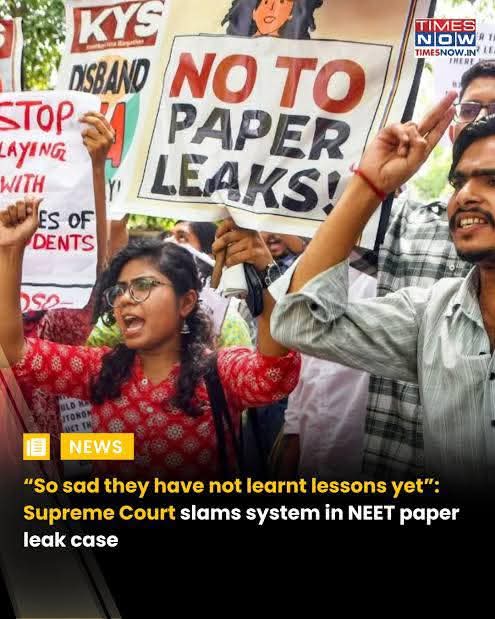
Today came the joyful news: she had secured A-plus in all subjects and scored 92 per cent marks. She now wishes to pursue nursing and has applied to some medical colleges. She had also appeared for the NEET examination, which was later cancelled because of the question paper leak. I hope she clears the examination when it is conducted again and secures admission to a B.Sc Nursing programme.
Her younger sister is now in Class XII and dreams of becoming a chartered accountant. The youngest is studying in Class VIII. All three are excellent students.
Whenever I think of them, I realise that nothing brings greater satisfaction than helping an indigent child receive a good education. Money spent on such a cause never diminishes; it multiplies itself in human dignity, confidence and hope. If the news of these girls’ achievements fills me with such happiness today, I can only imagine how happy their father must be in his heavenly abode, watching his daughters move steadily towards the future he feared they might never have.
Discover more from समता मार्ग
Subscribe to get the latest posts sent to your email.